|
-
-
**Unless otherwise specified, to be eligible for a free class during our Open House, you may only register for a class with an instructor you have not taken before.** REGISTRATION IS REQUIRED.
As our nation celebrates its 250th anniversary, discover the Revolutionary War history hidden throughout Westchester County through the firsthand accounts of those who lived it. Their experiences were preserved in the McDonald Interviews, conducted between 1844 and 1851 with Westchester residents who witnessed the war firsthand. Join Barbara Davis for a fascinating presentation exploring the dramatic military events and everyday struggles that unfolded in our own backyards.
Barbara will be teaching the following classes this Fall:
PLEASE NOTE:
- Registration is Required.
- Open House classes are full-length classes. Please only register if you can attend for the entire time.
- To be eligible for a free class during our Open House, you may only register for a class with an instructor you have not taken before.
- The Zoom link will be included in your confirmation email.
|
|
|
|
-
-
**Unless otherwise specified, to be eligible for a free class during our Open House, you may only register for a class with an instructor you have not taken before.** Exception: This class is open to everyone, regardless of whether you've taken classes with the instructor before. REGISTRATION IS REQUIRED.
The festive topic of brewing and beer in the Middle Ages has an unexpected source: the monasteries. In this lecture, we will look at the medieval process of brewing, the social aspects of beer, and the adroit monks and nuns who took charge of an unlikely industry--even to this very day. For students who would like to pre-purchase and sample some medieval-style beers, here is a list of the brews that fall into the categories discussed in this lecture.
Dr. Christine Axen will be teaching the following classes this fall:
- HHH: History’s Graffiti (ZOOM), Wed, 9/30
- HHH: Death by Medieval Oddity, Wed, 10/28
- HHH: Tarot–Games & Fortunes from the Renaissance to Today, Wed, 11/18
- HHH: Fake or Fortune? Relic-Related Miracles, Forgeries, and Thefts, Wed, 12/16
PLEASE NOTE:
- Registration is Required.
- Open House classes are full-length classes. Please only register if you can attend for the entire time.
|
|
|
|
|
-
-
.png) How did this young man, born and raised in the confined area of the Pale in the Baltic area of Russia, become such a citizen of the world? Marc Chagall (1887–1985) was a seminal Russian-French artist known for his vibrant, dreamlike paintings that blended modernism with Eastern European Jewish folklore. His works tend towards the whimsical, with a deeply personal style characterized by floating figures, vibrant colors, and nostalgic village scenes, and are known, admired, and loved by many. Who influenced him and what experiences shaped his worldview? We will discuss these themes and delight in his art, including his stained glass windows at the nearby Union Church of Pocantico Hills.
|
|
|
|
-
-
The Zodiac is one of the oldest and most recognizable features of the night sky. Long before modern astronomy, ancient civilizations looked to these twelve constellations—the famous “Circle of Animals”—to mark the seasons, track the motions of the sun, moon, and planets, and make sense of their place in the cosmos.
In this fascinating journey through science, history, and mythology, discover how the Zodiac became central to cultures around the world and why these constellations remain important today. Learn how ancient Babylonian astronomers first mapped the Zodiac along the path we now call the ecliptic, explore the close relationship between astronomy and astrology in the ancient world, and uncover surprising mysteries—including whether the Zodiac once had only eleven constellations and why some astronomers argue there are now thirteen. Join us as we trace the ancient and modern significance of the constellations that continue to captivate humanity's imagination.
|
|
|
|
-
-
For more than 125 years, movies have shaped the way we dream, remember, argue, laugh, love, and see the world. This 6-week series offers a sweeping, entertaining, and accessible journey through the history of film, exploring the first half of cinema's remarkable story—from the pioneering silent films of the late 1800s through the groundbreaking movies and cultural shifts of the mid-20th century. (A second 6-week series, offered in the winter term, will continue the journey from the 1960s to the streaming age of the 2020s.)
Each week will explore a different era in movie history, and in Part 1 this fall, we will cover the birth of the motion picture, the rise of Hollywood, the glamour of the silent era, the arrival of sound, the golden age of the studio system, film noir, and postwar cinema. Along the way, we will look at legendary stars, groundbreaking directors, unforgettable scenes, major technological shifts, and the cultural moments that made each decade distinct through clips and class discussions.
Whether you are a lifelong film lover or simply curious about how cinema became cinema, this series will give you a richer understanding of the movies you already love and introduce you to many more worth discovering.
For a look at the weekly lecture topics, please click here.
|
|
|
|
-
-
Dates: 10/16/2026 - 10/16/2026
Day of the Week: F
Number of Sessions: 1
Time: 10:30 AM - 11:45 AM
Fee: $30.00
Instructor: Lincoln Center
Building: Walking Tours
Address: , NY
Email this class to a friend
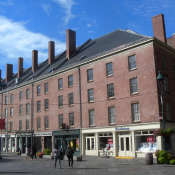
Get backstage access to the world-renowned organizations that call this 16.3-acre campus home, and learn more about the history of Lincoln Center. This 75-minute tour provides a behind-the-scenes perspective of the past and present of Lincoln Center. Participants will learn about Lincoln Center’s history; explore the iconic arts organizations that call Lincoln Center home; and experience our vibrant campus the way only artists and staff do. The tour itinerary will be based on availability and the day’s activities at the Center, and typical stops include:
- New York Philharmonic (David Geffen Hall)
- The Metropolitan Opera (Met Opera House)
- New York City Ballet (David H. Koch Theater)
- Lincoln Center Theater (Vivian Beaumont Theater)
- Chamber Music Society (Alice Tully Hall)
- Film at Lincoln Center (Elinor Bunin Munroe Film Center)
- Lincoln Center Campus Public Areas (Josie Robertson Plaza, Damrosch Park, and Hearst Plaza)
PLEASE NOTE:
- Transportation to meeting spot is not provided. Students must make their own arrangements.
- Precise meeting location will be provided in confIrmation email.
- Rain or shine.
|
|
|
|
-
-
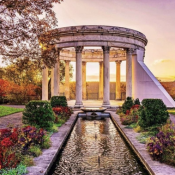
Experience the breathtaking beauty of our lavish plantings on this 90-minute tour which will take you to the most stunning flowers and gorgeous plants in the gardens. In the summer, lush foliage will transport you to a world of tranquility.
Throughout this horticulture and historical tour of Untermyer Gardens, you will learn about its rich history and the seasonal beauty of the grounds. We will discuss monumental architecture -- with an emphasis on Samuel Untermyer and his wife Minnie, and their place in early 20th century history -- as well as elements of garden design in general, plants in bloom, and stunning plant combinations.
The tour will also take you through the estate's three owners, emphasizing its world-famous heyday during the Untermyer years, its decline after 1940, and the remarkable restoration efforts that have been ongoing from 2011 to the present day.
So, come join us for an educational and engaging tour that is sure to leave you with a newfound appreciation for this magnificent estate.
PLEASE NOTE:
- This tour is for those without physical limitations. It requires the ability to traverse stairs and uneven, unpaved terrain.
- Attendees should wear sturdy shoes and carry water bottles.
- Hats and sunscreen are recommended for sunny days.
- There is no cafe at the Conservancy, and there is only one water fountain.
- Students must make their own arrangements to get to the meeting place, which will be emailed to registered students in advance of the tour.
|
|
|
|
-
-
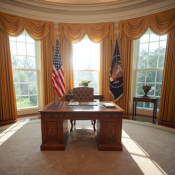
 If it's Congress that makes the laws, why are presidential executive orders now more important than ever? In this lecture, Jess Velona explores how we've arrived at this spot. We'll consider some of the most famous, and infamous, executive orders in our history, from the Emancipation Proclamation, FDR's internment of Japanese Americans and Truman's seizure of steel mills to LBJ's affirmative action. Next, we'll address the many controversial new Trump executive orders, from tariffs and immigration to mass layoffs of federal workers and punishing law firms. Finally, Jess will address the legal and judicial pushback that has emerged, and how Congress should also reclaim its power by writing laws that limit presidential discretion.
|
|
|
|
|
|
|
|
|
|
|
|
|
|